
Cherry Angiomas

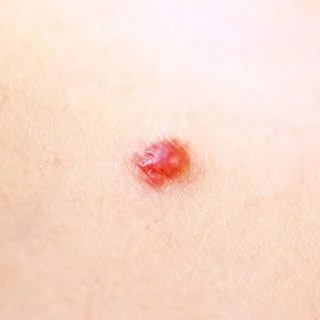
Cherry angiomas are benign, non worrisome, vascular growths which typically appear in adults over the age of 30. These blood vessel growths can range in color from pink to red to purple. They can range in size from pinhead sized to 1cm in diameter. Most commonly, they appear as red, dome shaped papules on the…

How to Use Topical Retinoids

Topical retinoids are available in many over the counter skin care products as well as prescription strength medications. They work to treat a variety of skin care problems ranging from fine lines and wrinkles to acne breakouts and psoriasis. Common side effects of using topical retinoids include: dryness, scaling, peeling, irritation, redness, burning, stinging, itching,…

Actinic Keratoses

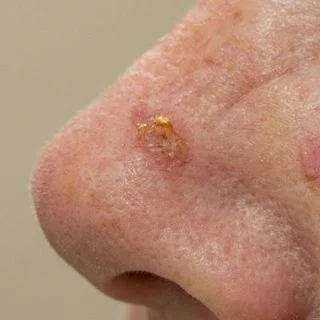
Actinic keratoses are precancerous growths on the skin caused by long term exposure to ultraviolet radiation, usually in the form of sunlight or tanning beds. They frequently appear on sun exposure areas such as the scalp, face, back of the hands, and forearms, and are characterized by rough, dry lesions or patches that are easier…

Boil/Furuncle

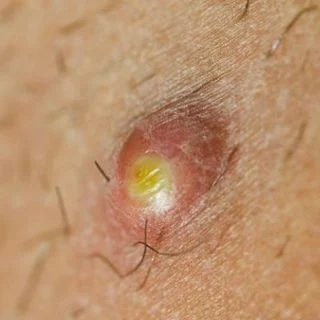
A boil, also known as a furuncle, is a painful, pus-filled bump that results from a bacterial infection of the hair follicle. It is a common skin infection, typically caused by a bacteria called Staphylococcus aureus. The infection usually starts as a tender, pinkish-red, bump which fills with pus- becoming larger and more painful. The…

Alopecia Areata

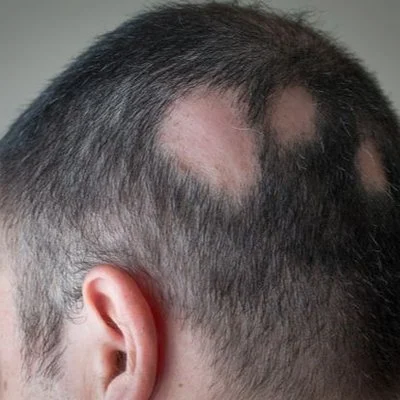
Alopecia areata is an autoimmune condition where the body’s own immune system targets and shuts off hair production in the hair follicles, leading to characteristic circular, coin shaped patches of hair loss. The hair loss can affect any hair bearing areas of the body including the scalp, eyebrows, eyelashes, and beard region. The degree and…

Central Centrifugal Cicatricial Alopecia

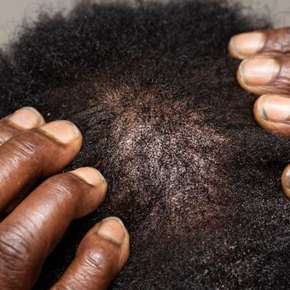
Central centrifugal cicatricial alopecia (CCCA) is a scarring alopecia – a condition which leads to destruction of the hair follicle and permanent hair loss. It predominantly affects middle aged Black women. Affected individuals experience a gradually expanding, circular area of hair loss that starts at the crown of the scalp and continues to radiate outwards,…

Frontal Fibrosing Alopecia

Frontal fibrosing alopecia is a relatively new hair loss condition that was first described in the 1990s. Though initially thought of as a rare condition, frontal fibrosing alopecia has become increasingly more common with the reported incidence increasing worldwide. The cause remains unknown. Classically, it affects white, post-menopausal women over the age of 50. Affected…

Hair Loss

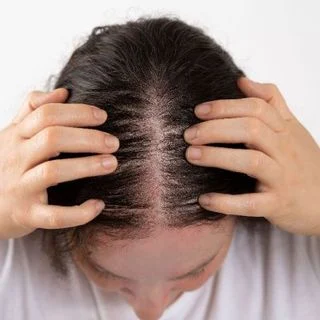
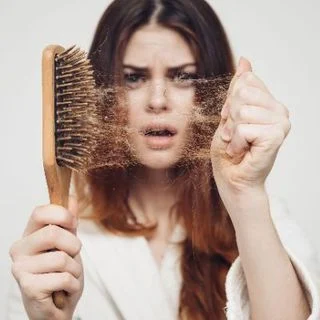
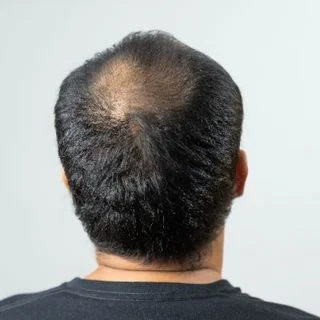
Our body is continually growing new hair. As new hair grows, the old hair is shed. It is normal for an individual to shed or lose between 50 to 100 hairs a day. Hair loss occurs when there is excessive shedding (beyond the typical 50-100 hairs a day) or when the hair follicles become dormant…

Telogen Effluvium

Telogen effluvium is a common cause of temporary hair loss caused by excessive shedding of telogen or resting hairs. All hair cycles through the stages of hair growth – from growing to involution to resting and eventually shedding. In a normal scalp, about 90-95% of hair follicles are in the growing phase, with only about…

Traction Alopecia

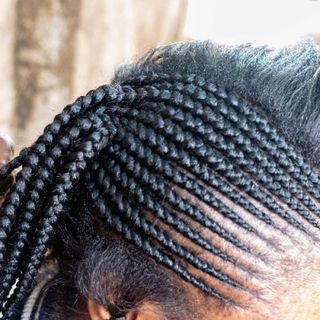
Traction alopecia is a type of hair loss that occurs as a result of the hair being pulled too tightly. It commonly occurs in hair styles such as ponytails, buns, tight braids, cornrows, hair weaves, and hair extensions. The prolonged traction or pulling leads to hair breakage and resultant hair loss in the affected areas,…